
Most cities are run by rules, procedures, and gatekeepers.
You follow the process, wait your turn, and hope someone in an office approves what you want. Even when you get what you need, the experience feels… bureaucratic.
In a Free City like Ciudad Morazán, the feeling is different—and that difference is everything. Here, governance is designed around the idea that residents are customers, not subjects. The result is a place where daily life feels lighter, more practical, and more personal.
Built for Customers
The city’s approach to even small details reflects its customer-first mindset. Take building colors: in July, the administration finalized preliminary options for painting the new building. While opinions on the exact shades varied, the solution wasn’t to impose a single top-down choice—it was to test options digitally, show samples, and aim for a cheerful palette with distinctive details. The process itself told residents: your preferences matter here.
1. Physical Freedom
Freedom starts with how you move through your city. In Morazán, bicycles and motorbikes dominate—not because residents lack other choices, but because these options are safe, affordable, and convenient. Even the police ride bicycles, setting a tone of accessibility and mutual trust. Bikes are left unlocked without fear of theft, a small but telling sign that personal responsibility and community respect are the norm.
Physical freedom also means control over who enters the city. When questions arose about the national police’s presence on private property, the solution wasn’t to block them entirely or allow unlimited access. Instead, Morazán implemented a policy where the city police escort national police onto the property, ensuring both legality and resident privacy. City police are now being trained on the protocol, so protection is consistent and respectful.
2. Procedural Freedom
In most cities, making changes to property is a bureaucratic maze of applications, fees, and inspections. In Morazán, it’s as simple as coordinating with the right people and getting to work. That’s how two 2-bedroom apartments recently became the first 4-bedroom home in the city—no permits required, no delays caused by red tape.
Procedural freedom also shapes business opportunities. At an operational meeting in July, the administration noted increased activity suggesting a potential long-term relocation for some tenants. Rather than reacting with one-size-fits-all policy, they planned to meet with residents to discuss building additional corrugated storage units—designed specifically for long-term lease agreements. It’s a case study in responsive governance: identify demand, adapt quickly, and build to suit.
3. Cultural Freedom
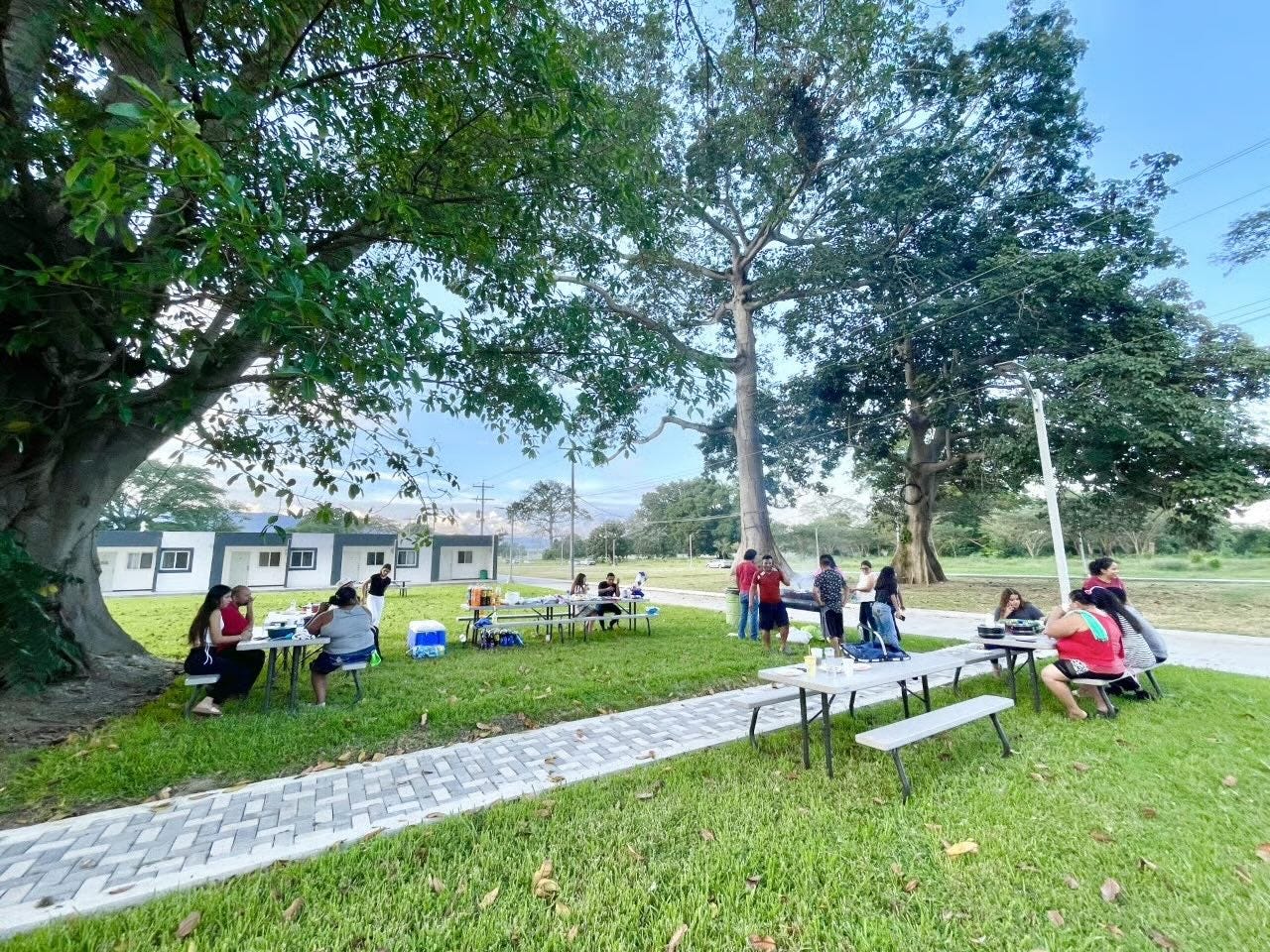
Perhaps the most unique feature of Morazán is its civic culture. Residents are treated as customers whose voices have weight. Infrastructure priorities are discussed openly. Maintenance requests are handled transparently. Service excellence is publicly recognized through programs like “Employee of the Month.”
This respect shows in the city’s communications, particularly from Ursula, the city administrator, whose clear and friendly updates have become a hallmark of Morazán life. In July, she encouraged residents to submit requests to Tigo Honduras for improved cell and data service, explaining that the more people who ask, the higher the chances of getting a new antenna installed nearby. She also announced the rollout of the ACCESS by Netosoft app, giving residents the ability to announce visitors, generate QR codes, and manage security from their phones—a small technological shift with big quality-of-life benefits.
And community building isn’t limited to problem-solving. In collaboration with the Catholic Church, the Red Cross, and the Choloma Fire Department, Morazán helped host a community 5K run. The Fire Department even gave runners a playful cool-down spray before the starting line. With participants from other neighborhoods and 200 sandwiches served at the finish, it was a day that blended health, fun, and local pride.
4. Economic Freedom
Economic freedom here is not about abstract policy—it’s about making practical, cost-effective decisions without waiting for government mandates. When the city needed a forklift, it didn’t default to gas-powered models. Instead, Morazán invested in its first electric vehicle. Electric forklifts cost less to run, are easier to maintain, and produce no toxic emissions—making them both a smart financial choice and a healthier one for workers.
Construction also moved forward in July, with commercial units becoming available again after a pause caused by national government hostility. New 23m² spaces are now offered for just $200/month, reviving the vision of Morazán as a place for both living and doing business.
The Ripple Effect
When people experience this level of autonomy and respect, something shifts. They take initiative. They look for ways to improve their surroundings. They become invested in the city’s success—not because they’re told to, but because they feel ownership.
That’s what makes a Free City feel free:
The ability to choose how you live.
The ability to improve your life without asking permission.
The assurance that you’re heard and valued.
It’s a model worth understanding—because once you’ve lived it, you’ll never see traditional governance the same way again.
Want more stories from inside a working Free City?
Subscribe to follow the series, and learn how you can get involved in building the future:
👉 morazanmodel.com/membership